Word of the week: Sour
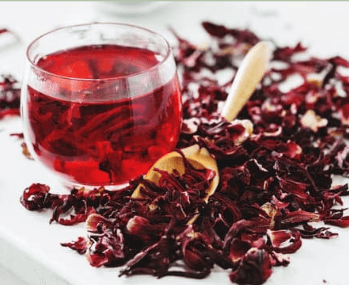
This week’s word is sour. Sour is a taste we are all familiar with which is connected to acids present in foods. Some foods that are sour include citrus fruits, vinegar and vinegar-based foods, and fermented foods. Other fruits and vegetables, like cranberries, rhubarb, tomatoes, and olives are also sour. And as the name indicates, sourdough bread is sour, too! One of the most sour herbs is hibiscus, which I will discuss in more detail later in this newsletter.
Everyone has a different level of tolerance for sour foods, but the sour taste does serve a purpose.
For example, it can help us identify what foods are safe to eat. Most fermented foods are sour, and the acidity in ferment foods helps to prevent microbial growth, like mold and bacteria. Back in the days before refrigeration and safe canning practices, ferementation was a primary method of preserving food. Many sour foods contain antioxidants which can help to prevent cancer. Sour foods can also aid digestion because the acidity in foods helps to break down protein and improves absorption of nutrients.
Additionally, sour foods can help cool the body, eliminate excess heat and mucous build-up, and reduce inflammation. Sour foods often contain Vitamin C (ascorbic acid), which boosts immunity.
Hibiscus, in particular, has an affinity for the cardiovascular system and can help to lower blood pressure and protect the heart and blood vessels from damage. It can also help with diabetes and weight control.
Hibiscus iced tea is a wonderful way to benefit from the healthful properties of the herb while enjoying a refreshing summer drink! I like making hibiscus tea more than lemonade. Partly, because it is easier. I have dried hibiscus on hand, while I don’t always have lemons. Squeezing lemons is time consuming, and the non-organic lemon juice from the store has some nasty preservative in it (which I can taste.) In the long run, hibiscus tea is less expensive, too. Hibiscus is also a beautiful ruby red color!
When you make your own iced tea, you can sweeten it to the level you wish, or you can leave it unsweetened. I like to call it “Healthier Cool-Ade” because of the health benefits of the herb, the sweet-sour taste (when sweetened) and the red color. If you have kids, serve them this instead of the packets full of chemicals used to flavor and color the drink.
Healthier Cool-Ade – makes one gallon
1 cup Hibiscus
3/4-1 cup Sugar, or to taste
Water
Fill a small saucepan with water, leaving room for sugar. Add the sugar and bring to a boil until sugar is dissolved. Take the saucepan off the burner. Add hibiscus and let cool. Strain out hibiscus and put the cooled liquid into a gallon-size jar or pitcher. Add cold water to fill the rest of the gallon or pitcher. Pour over ice. Keep refrigerated. This is also delicious mixed with some sparkling water!
You can watch me make Healthier Cool-Ade in this video:
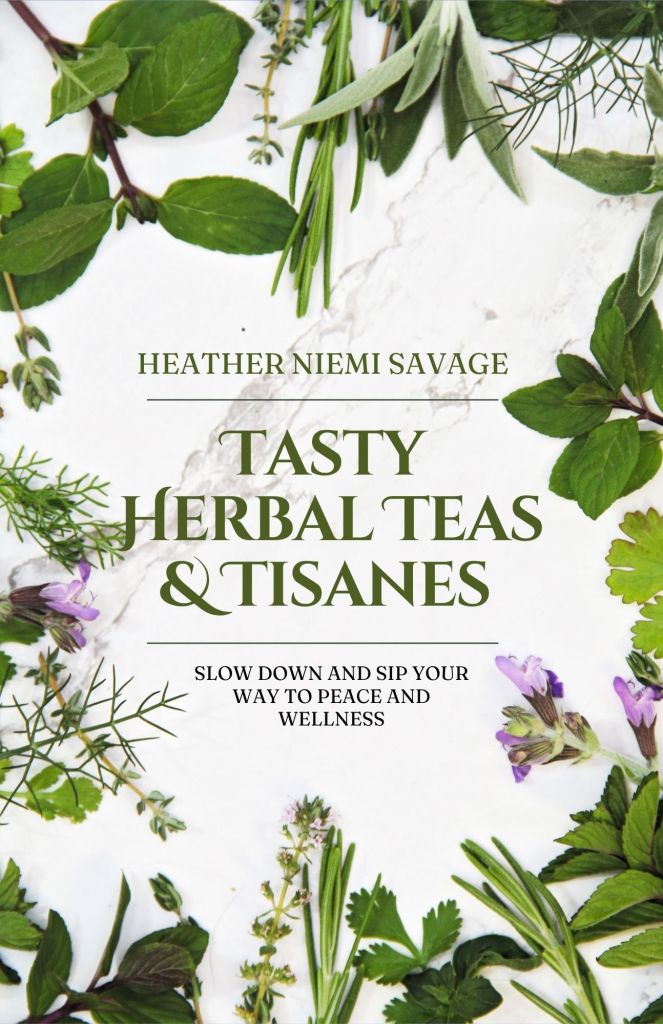
This recipe is included in my book of herbal teas called Tasty Herbal Teas & Tisanes which is now available on Amazon here.
Please reach out to me if you have any herbal questions! Let me know if this is helpful, or if there any improvements I can make to this newsletter! And if you know someone who might benefit from this newsletter, please forward it!
Your Herbal Ally,
Heather
I know I am not the only one who is overwhelmed by appeals to become a paid subscriber, so I have decided NOT to put my writing behind a paywall. However, if you would like to show appreciation for my work through a financial contribution like you might tip a busker in the train station, you can do so here: https://buymeacoffee.com/heatherniemisavage
P.S. If this email was forwarded to you from a friend, please consider subscribing and getting your own FREE copy of “14 Herbs Musicians Need NOW.” at this link: https://heather-niemi-savage-music.kit.com/14_herbs_musicians_need_now
P.S.S. if you would also like to be on my music-related monthly digest, subscribe here: https://heather-niemi-savage-music.kit.com/19ebe7c431
Remember to do research and speak to a doctor about your particular situation before using herbs. The herbal education I provide does not substitute for advice from a healthcare professional.
Herbs will not make up for a poor lifestyle. We must first take care of ourselves through a healthy lifestyle with a proper amount of sleep, nutritious food, regular exercise and avoiding harmful substances as much as possible.
 Herbs for Musicians
Leave a comment